
A major tungsten discovery in Nevada could give the United States a new domestic source of a metal used in ammunition, jet engines, cutting tools, semiconductors and other defense-related hardware. But the project still faces a problem familiar to American mining: finding the resource may be easier than getting approval to produce it.
Developer 3 Proton Lithium estimates its Railroad Valley Minerals project contains 1.78 million metric tons of tungsten, according to reporting cited by the Daily Caller News Foundation from MINING.com. If confirmed, the deposit could be the largest known tungsten resource in the country and more than five times the size of the next-largest U.S. resource.
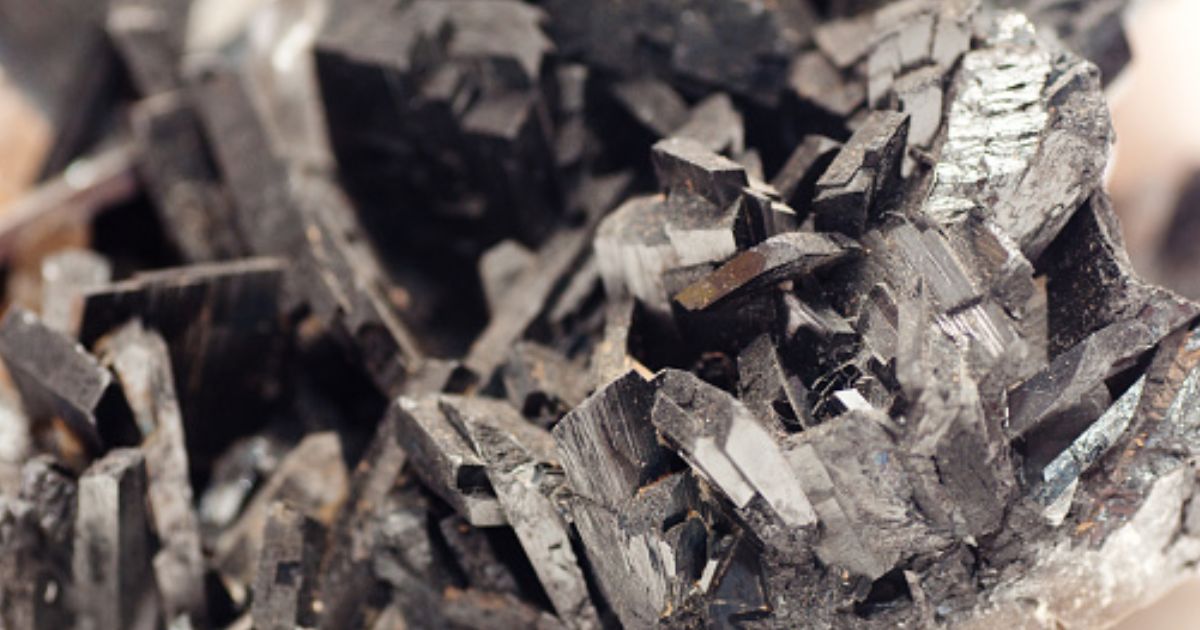
Tungsten is valued for its density, hardness and heat resistance. The U.S. Geological Survey identifies ammunition and jet engines among its primary uses, and the metal is used in armor-piercing rounds that rely on tungsten-carbide penetrators.
NASA’s Role in the Nevada Fight
One obstacle is not a rival mine or a market slump. It is NASA.
Part of the Railroad Valley deposit sits on land that was withdrawn from mineral development at NASA’s request, according to the Federal Register. In April 2023, the Interior Department removed roughly 23,000 acres of Railroad Valley from mineral leasing for 20 years, leaving the restriction in place into the early 2040s.

NASA’s interest in the site is scientific rather than mineral-related. The agency has used Railroad Valley since 1993 to calibrate Earth-observing satellite instruments. NASA has described the dry lakebed as useful because it is large, flat, largely vegetation-free, consistent in surface color, undisturbed, accessible and visible from space.
David Blackmon, an energy public policy analyst, told the Daily Caller News Foundation that the dispute shows how competing public interests can complicate energy and mineral projects.
“This is a major resource play even with the NASA roadblock to a portion of it,” Blackmon said. “The conflict with NASA is illustrative of the kinds of conflicts created by clashing, legitimate stakeholder interests that typify permitting processes for energy projects of all types.”
NASA, 3 Proton Lithium, the White House and the Permitting Council did not respond to the DCNF’s requests for comment, according to the report.
Fast-Track Status May Not Mean Fast Production
The project has received attention under FAST-41, a federal permitting coordination program intended to set schedules and reduce delays for major infrastructure projects. In April 2025, the Trump administration expanded its use for critical-mineral projects as part of a push to accelerate domestic mineral production.
Blackmon told the DCNF that President Donald Trump could force NASA to yield if he determines the project is essential to national security. He also said FAST-41 could shorten a process that otherwise can stretch for more than a decade.
But Blackmon cautioned that the designation does not remove every obstacle.
“It is key to point out, though, that FAST-41 does not eliminate the potential for litigation and other efforts by activist groups to impede this project’s progress and extend the timeline by years before it can be produced,” he said.
China’s Tungsten Grip Raises the Stakes
The Nevada find is drawing attention in part because China dominates global tungsten supply. Reuters has reported that China controls roughly 80% of global tungsten production.
China imposed export controls in February 2025 on tungsten and several other critical minerals, including tellurium, bismuth, molybdenum and indium, requiring licenses for covered exports, according to Reuters. Later that year, China tightened tungsten mining quotas and announced that only 15 companies would be allowed to export tungsten during 2026 and 2027.
Prices have risen alongside those restrictions and stronger defense-sector demand. Reuters reported that by April 2026, ammonium paratungstate — an intermediate product used to make tungsten metal — had increased more than 200% since the start of the year and reached record levels.
Mining Permits Remain the Larger Test
Industry advocates argue that the U.S. mine-approval system is now a supply-chain risk of its own.
“It takes 29 years to bring a mine online in the U.S. from discovery to production, including extensive permitting, the second longest timeline in the world; that’s not sustainable,” Ashley Burke, senior vice president of communications at the National Mining Association, told the DCNF. “This extended timetable imperils our supply chains, resulting in import-dependence for minerals we could be sourcing here at home; minerals that are increasingly vital for our future.”
Burke said the industry wants a permitting system that remains rigorous but avoids duplication and unnecessary delays.
“Litigation is an issue that can stretch for years and years, even when there is little chance or basis for the challenging party to prevail,” she said. “The administration has made progress in addressing this issue, but it is well past time for Congress to act on permitting reform to ensure that any progress that has been made will be lasting and durable.”
Environmental groups have challenged other domestic mining projects tied to national security concerns. In Idaho, a coalition including the Center for Biological Diversity, Earthworks and the Idaho Conservation League sought to halt construction of the Stibnite Gold Project, arguing it threatened wildlife, waterways and other environmental resources. A federal judge denied the request, allowing construction to continue while the litigation proceeds.
The Stibnite project is expected to produce gold and antimony, another critical mineral used in munitions, military-grade materials and batteries. The Department of Defense previously awarded $24.8 million to advance the project, and the Justice Department has described it as critical to national defense, according to the DCNF report.
For Railroad Valley, the question is now whether a large domestic tungsten resource can move from estimate to production before permitting, land-use conflicts or lawsuits push the timeline far into the future.