Personal information belonging to members of the Georgia grand jury that indicted Donald Trump and 18 co-defendants reportedly appeared on websites and social media shortly after the charges were announced in August 2023.
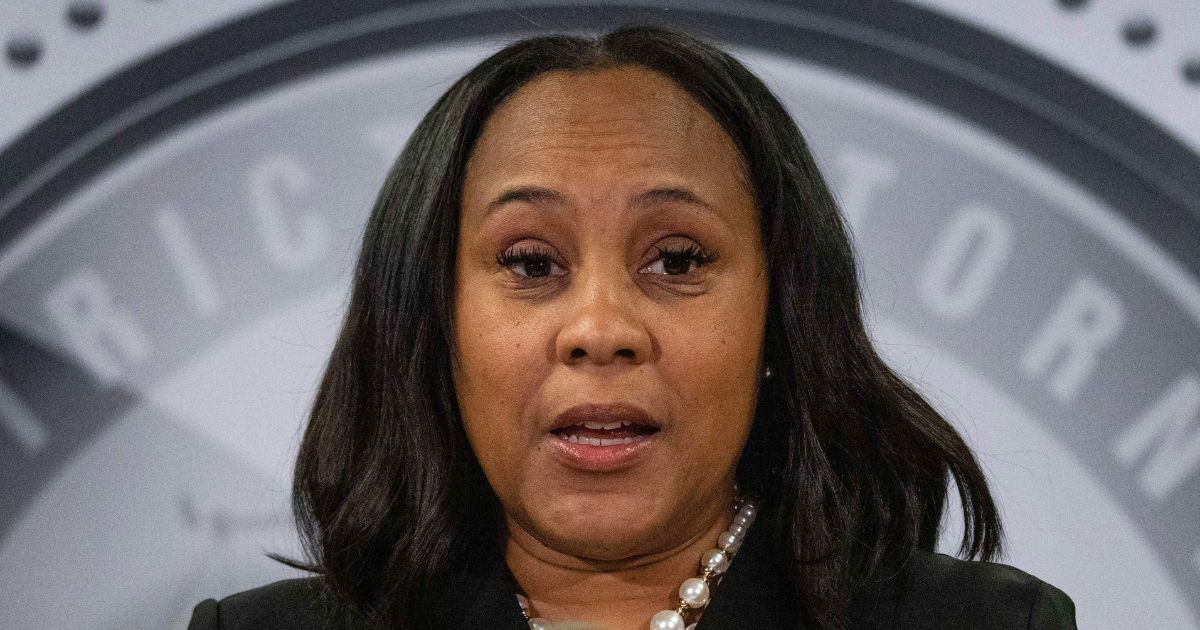
The Fulton County indictment accused Trump and the other defendants of participating in an unlawful effort to overturn Georgia’s 2020 presidential election results. District Attorney Fani Willis brought allegations involving racketeering, false statements, solicitation and several other offenses.
NBC News reported that the names, photographs and purported home addresses of grand jurors were subsequently collected and posted on a fringe website known for hosting violent rhetoric. Some of the information also spread across social media platforms.
The jurors’ names, however, were not initially obtained through a leak or an unauthorized intrusion. Fulton County included them on Page 9 of the publicly released indictment.
Georgia law generally requires grand jurors’ names to be treated as public information. The requirement is intended to promote transparency in the criminal justice system, but the Trump prosecution demonstrated how that policy could expose ordinary citizens to unwanted attention in an unusually contentious case.
Legal experts told The Washington Post that the state law did not provide judges with a clear mechanism for concealing the jurors’ identities, even when public disclosure might subject them to harassment or threats.
While the names were part of the official court record, the publication of alleged addresses, personal photographs and political activity raised more serious safety and privacy concerns.
Advance Democracy, an organization describing itself as nonpartisan, said it was among the first groups to identify the online posts. Founder Daniel Jones, a former FBI agent, blamed Trump-supporting extremists for targeting citizens who were performing a required civic responsibility.
Jones also criticized Republican leaders whom he believed had failed to forcefully condemn threats against jurors and other participants in the legal process.
According to Jones, online users did more than circulate names and possible addresses. They also searched through the jurors’ social media histories and highlighted posts indicating support for Democratic political figures and liberal causes.
Some jurors had reportedly expressed approval of Sen. Bernie Sanders of Vermont or Sen. Raphael Warnock of Georgia. Others had posted messages supportive of the Black Lives Matter movement.
Those discoveries fueled accusations among Trump supporters that political bias might have influenced the grand jury proceedings. Grand juries, however, determine only whether prosecutors have shown probable cause to bring criminal charges. They do not decide whether a defendant is guilty.
Democratic Rep. Ted Lieu of California responded to the report by accusing extreme elements of Trump’s political movement of being hostile to democratic institutions and prone to violence. He also faulted Republican leaders, including then-House Speaker Kevin McCarthy, for what he characterized as their silence.
Former FBI official Peter Strzok similarly said the online exposure of the jurors was entirely predictable given the political climate surrounding Trump’s prosecution.
The controversy followed another unusual development in the case. Before the grand jury’s vote was officially announced, a document listing potential charges against Trump briefly appeared on the Fulton County court website and was then removed. Court officials attributed the premature posting to a clerk’s error.
The episode highlighted the tension between transparency and personal safety in high-profile prosecutions. Although Georgia law made the jurors’ names publicly accessible, compiling those identities alongside alleged addresses, photographs and political histories potentially transformed a public record into a tool for intimidation.