Some people argue that “cancel culture” is a very real thing and that no person or thing is safe.
Every tweet, public statement, comedian’s joke, and newly released song is scrutinized. People who are champions of civil rights and equality are being chastised for statements or social media postings from more than a decade ago. When will it end? Things may get worse before they get better.
The rise of “cancel culture” and the idea of canceling someone coincides with a familiar pattern: A celebrity or other public figure does or says something offensive. A public backlash, often fueled by politically progressive social media, ensues.
Then come the calls to cancel the person — that is, to effectively end their career or revoke their cultural cachet, whether through boycotts of their work or disciplinary action from an employer.
In fact, there are several songs that were made, as early as last year, that have been seriously scrutinized. When Blake Shelton released his song, “Minimum Wage,” several people felt it was insensitive to those who were facing financial hardship in the midst of the COVID-19 Pandemic.
Many songs, if written today, would have never been played or heard on any radio or streaming platform, especially the following.
-
“Summer Nights” by the cast of Grease
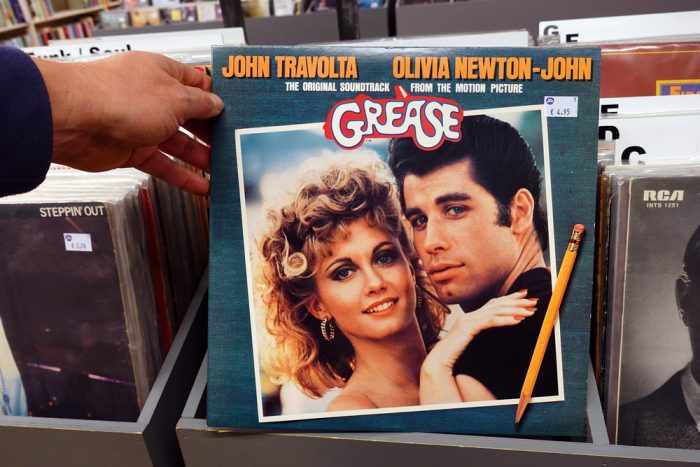
Critics have called this song “rapey” because of a call-and-response lyric that alludes to how a woman was date raped. The lyrics are “Tell me more, tell me more / did she put up a fight?” which people claim portrays John Travolta’s character as a sexual predator who targeted an innocent virgin girl during the summer of fun.
-
“Delilah” by Tom Jones
The song was originally recorded in 1968 and has been played millions of times since. However, the lyrics promote domestic violence in a way that has outraged the cancel culture. The offensive lyrics are the following: “I crossed the street to her house, and she opened the door / She stood there laughing / I felt the knife in my hand, and she laughed no more.”
The song has long been used by the Welsh Ruby Union but has faced calls to stop using it as recently as a year ago. They were also urged to switch the song back in 2014 and 2016. The group defended the use of the song, saying: “Within rugby, Delilah has gained prominence through its musicality rather than because of its lyrics. There is, however, plenty of precedent in art and literature, prominently in Shakespearean tragedies, for instance, for negative aspects of life to be portrayed.”
-
“Do They Know It’s Christmas?” by Band-Aid
This 1984 is a Christmas classic beloved by millions. However, it might soon be canceled because it promotes the “white savior mentality.” The song’s lyrics express how people of Africa and other parts of the world might not know the first thing about having a white Christmas.
“There’s a world outside your window / And it’s a world of dread and fear / Where the only water flowing / Is the bitter sting of tears… And there won’t be snow in Africa this Christmas time / The greatest gift they’ll get this year is life / Where nothing ever grows, no rain or rivers flow / Do they know it’s Christmas time at all?”
-
“Fat Bottomed Girls” by Queen
This classic rock song premiered in 1978. However, it has not aged well as people claim it is “fat-shaming” and a promotion of child sex abuse. The lyrics that offended the masses are:
“I was just a skinny lad / Never knew no good from bad / But I knew love before I left my nursery / Left alone with big fat Fanny / She was such a naughty nanny / Hey big woman, you made a bad boy out of me.”
Critics fear that the hidden meaning of the song is “child abuse.” However, Brian May, Queen’s guitarist and writer of the song, spoke about its true meaning a few years ago.
“It’s about a young man who comes to appreciate women of substantial girth,” he told Mojo magazine in October 2008. “I wrote it with Fred in mind, as you do, especially if you’ve got a great singer who likes fat bottomed girls… or boys.”
Source: AWM