There’s been a lot of buzz about dubious chemicals in the environment that might contribute to some pretty frightening stuff like obesity, breast cancer, and thyroid issues. And they seem to lurk everywhere: in pesticides, cosmetics, and especially plastic containers.
With limited information about what exactly goes into specific products, how should we view the materials in our kitchen? We reached out to academic scientists and the U.S. Food and Drug Administration for answers.
As doctors, scientists, and researchers have better equipment and methods to do their research, they continue to refine their results and publish them for general consumption.
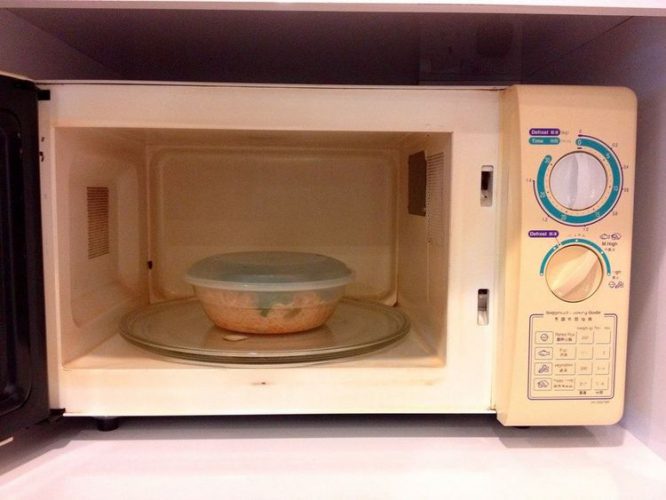
The root of scientists’ concern about BPA in containers is that the chemical can leach out of the packaging and into food. This happens when plastic deteriorates and releases its chemical contents, according to Nancy Wayne, a reproductive neuroendocrinologist at UCLA.
Acidic foods, like tomato sauce, can break down plastic. Plastic also breaks down when heated; manufacturers may heat metal cans lined with BPA to sterilize them, and consumers frequently put plastic containers of food in the microwave. Once released, BPA can contaminate food and enter the human body, where it interferes with hormonal processes. This hormonal interference has been linked to cancer, heart disease, and obesity.
“We know that the vast majority of Americans [95 percent according to one study] have detectable levels of BPA in their blood and urine,” Wayne says. “We’re constantly exposed to it.”
Nonetheless, the FDA’s official current position is that the amount of BPA consumers encounter in packaging is safe.
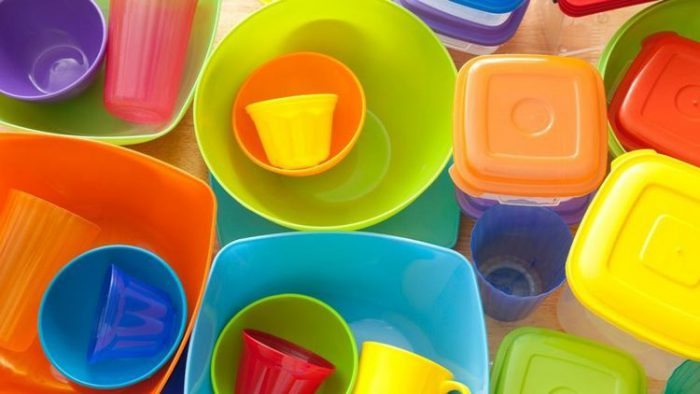
According to AWM, AAP published a report on how children are most vulnerable to the dangers of plastics.
“(BPA) can act like estrogen in the body and potentially change the timing of puberty, decrease fertility, increase body fat, and affect the nervous and immune systems.”
Phthalates are just as sinister for your body. If you don’t know, they’re the chemical manufacturers use to make the plastic feel more flexible.
“(Phthalates) may affect male genital development, increase childhood obesity, and contribute to cardiovascular disease.”
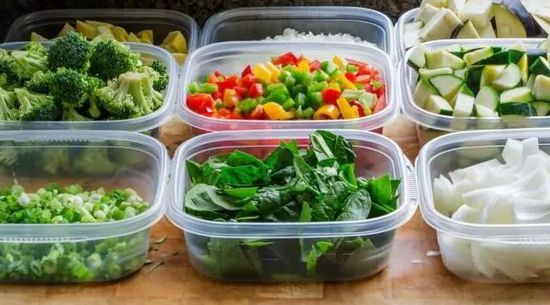
AWM added:
Parents are horrified to hear these findings. And then the doctors dropped the bomb – putting these plastic containers in the dishwasher can also release these chemicals and cause untold damage to the body.
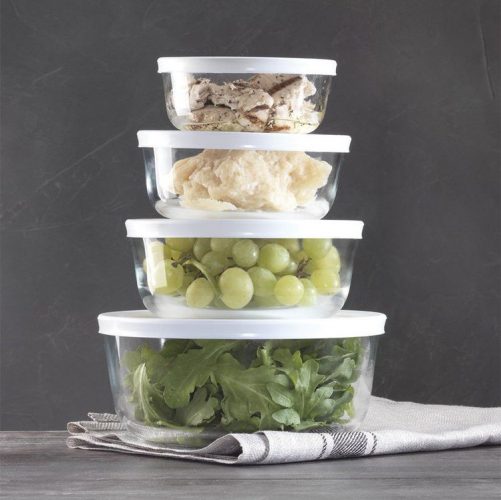
So what can parents do? Invest in your health and buy glass containers. These will not have the same problems as the plastic containers. They also have the added benefit of making your leftovers look more stylish.
As more people start to demand manufacturers to use glass instead of plastic, prices will start to go down. But do some online browsing, and you’ll find some options that are not too expensive.
Source: AWM